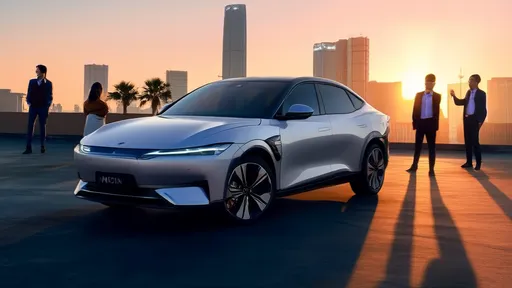
Xiaomi, the Chinese tech giant renowned for its smartphones and consumer electronics, has made significant strides in the electric vehicle (EV) market with its automotive division, Xiaomi Auto, achieving a notable milestone of delivering over 30,000 units of its inaugural model, the SU7 sedan. This accomplishment, reached within a relatively short timeframe since its market entry, underscores the company's ambitious push into the competitive EV sector. However, beneath this success lie persistent challenges, including production bottlenecks and price volatility, which could impact Xiaomi's long-term growth and stability in the automotive industry.
The delivery of 30,000 vehicles marks a strong start for Xiaomi Auto, reflecting robust consumer interest and effective initial marketing strategies. Launched earlier this year, the SU7 has been positioned as a premium yet affordable option in the EV market, leveraging Xiaomi's brand reputation for innovation and value. Early adopters, many of whom are existing fans of Xiaomi's ecosystem products, have responded positively to the vehicle's design, technology integration, and competitive pricing. This rapid uptake is a testament to Xiaomi's ability to cross over from consumer electronics to automotive, a move that has been closely watched by industry analysts and competitors alike.
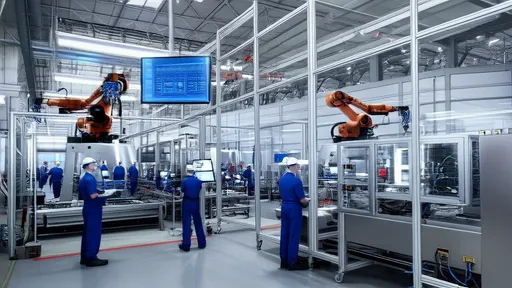
Despite this early success, Xiaomi Auto is grappling with significant production bottlenecks that threaten to hamper its growth trajectory. The company has faced issues in scaling up manufacturing to meet the surging demand, partly due to supply chain constraints and complexities in EV production. Sourcing critical components such as batteries, semiconductors, and advanced materials has proven challenging amid global shortages and logistical disruptions. Additionally, as a newcomer to automotive manufacturing, Xiaomi is still refining its production processes and quality control measures, which has led to occasional delays and inconsistencies in output. These bottlenecks not only risk delaying deliveries but could also erode consumer confidence if not addressed promptly.
Compounding these production challenges is the issue of price volatility in the EV market. Xiaomi entered the industry with aggressive pricing for the SU7, aiming to undercut established players like Tesla, BYD, and NIO. However, fluctuations in raw material costs, particularly for lithium, cobalt, and nickel used in batteries, have forced Xiaomi to reconsider its pricing strategy. Recent adjustments, though minor, have sparked concerns among potential buyers about affordability and long-term value. Moreover, intense competition has led to price wars in China's EV market, with rivals frequently slashing prices to gain market share. This environment makes it difficult for Xiaomi to maintain stable pricing, potentially affecting its profit margins and brand positioning.
Looking ahead, Xiaomi's ability to navigate these challenges will be crucial for its sustained success in the automotive sector. The company is investing heavily in expanding production capacity, with plans to ramp up output through partnerships and internal improvements. Efforts are underway to secure more reliable supply chains and enhance manufacturing efficiency. On the pricing front, Xiaomi may need to adopt a more flexible approach, possibly introducing different trims or subscription models to cater to varying consumer budgets while mitigating cost pressures. Additionally, focusing on software and services, areas where Xiaomi excels, could provide additional revenue streams and differentiate its offerings in a crowded market.
In conclusion, while Xiaomi Auto's achievement of 30,000 deliveries is commendable and signals a promising entry into the EV landscape, the road ahead is fraught with obstacles. Production bottlenecks and price volatility represent significant hurdles that require strategic solutions. If Xiaomi can leverage its technological expertise, brand loyalty, and agile business model to overcome these challenges, it has the potential to become a formidable player in the global electric vehicle industry. However, failure to address these issues could limit its growth and impact in this highly competitive and rapidly evolving market.
By /Sep 15, 2025

By /Sep 15, 2025

By /Sep 15, 2025
By /Sep 15, 2025

By /Sep 15, 2025
By /Sep 15, 2025

By /Sep 15, 2025
By /Sep 15, 2025

By /Sep 15, 2025

By /Sep 15, 2025

By /Sep 15, 2025
By /Sep 15, 2025

By /Sep 15, 2025

By /Sep 15, 2025
By /Sep 15, 2025

By /Sep 15, 2025

By /Sep 15, 2025

By /Sep 15, 2025

By /Sep 15, 2025
By /Sep 15, 2025