Meta's recent restructuring of its AI division has sent ripples through the tech industry, signaling a strategic shift aimed at reclaiming its competitive edge in the rapidly evolving artificial intelligence landscape. The creation of four specialized teams within the AI organization reflects a focused approach to addressing key areas of innovation and market demand. This move comes at a critical juncture, as companies like Google, OpenAI, and others continue to push the boundaries of AI capabilities, threatening Meta's position as a leader in the field.
The first of these teams is dedicated to advancing generative AI, a domain that has captured significant attention with the rise of large language models and creative AI tools. Meta has been investing heavily in this area, developing models like LLaMA, but faces stiff competition from rivals such as OpenAI's GPT-4 and Google's Gemini. By concentrating efforts on generative AI, Meta aims to enhance its products—from social media platforms to virtual reality experiences—with more intelligent and engaging content creation features. The team's work is expected to drive innovations that could redefine how users interact with Meta's ecosystem, making it more dynamic and personalized.
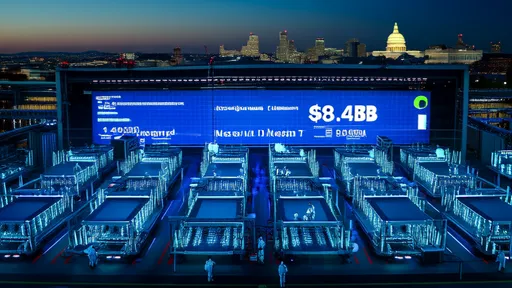
Another team is focused on AI infrastructure, underscoring the importance of robust computational foundations for cutting-edge AI research and deployment. Meta has long emphasized the need for powerful, scalable systems to train and run complex models efficiently. This group is tasked with optimizing hardware, software, and data pipelines to support the company's ambitious AI goals. Investments in custom silicon, such as the Meta Training and Inference Accelerator (MTIA), and collaborations with cloud providers are part of this effort. Strengthening infrastructure not only boosts performance but also reduces costs, giving Meta a potential advantage in the resource-intensive AI race.
The third team centers on responsible AI, addressing growing concerns around ethics, safety, and fairness in artificial intelligence. As AI systems become more pervasive, issues like bias, misinformation, and privacy have come to the forefront, prompting calls for greater accountability. Meta has faced scrutiny in the past over its handling of these challenges, and this specialized group aims to embed ethical considerations into every stage of AI development. By prioritizing transparency, safety protocols, and inclusive design, Meta seeks to build trust with users and regulators, which is crucial for long-term adoption and success in a contentious regulatory environment.
Lastly, a team is devoted to product integration, ensuring that AI advancements seamlessly enhance Meta's wide array of services, including Facebook, Instagram, WhatsApp, and the metaverse vision. This group acts as a bridge between research and practical application, translating breakthroughs into features that improve user experiences and drive engagement. For instance, AI-powered recommendations, augmented reality filters, and smarter advertising tools are all areas where integration can deliver tangible benefits. By closely aligning AI development with product strategy, Meta hopes to create a cohesive and compelling ecosystem that retains users and attracts new ones.
This reorganization is not merely an internal shuffle; it represents a calculated response to the intensifying competition in AI. Companies like Google and Microsoft have made significant strides, leveraging their AI capabilities to dominate search, cloud services, and enterprise solutions. Meanwhile, startups and specialized firms are innovating at a rapid pace, challenging established players. Meta's four-team structure is designed to foster agility and depth, allowing the company to pursue multiple fronts simultaneously without losing focus. However, whether this approach will suffice to regain technological leadership remains an open question, given the sheer pace of innovation and the high stakes involved.
Industry analysts have mixed views on Meta's chances. Some applaud the move as a necessary evolution, highlighting the company's vast resources, data access, and existing AI expertise as key advantages. They point to past successes, such as Meta's work in computer vision and natural language processing, as evidence of its potential to lead again. Others, however, remain skeptical, noting that restructuring alone cannot overcome deeper issues like cultural inertia or the challenges of monetizing AI in a privacy-conscious world. The effectiveness of these teams will depend on execution, collaboration, and the ability to innovate faster than competitors.
Looking ahead, Meta's AI ambitions are inextricably linked to its broader vision for the metaverse, where AI is expected to play a foundational role in creating immersive, interactive environments. The specialized teams will likely contribute to this long-term goal, from generating realistic virtual content to ensuring ethical AI interactions in digital spaces. However, the metaverse itself is a uncertain bet, requiring massive investment with no guaranteed return. As Meta navigates this complex landscape, its restructured AI division will be critical in determining whether the company can not only keep pace but set new standards in artificial intelligence.
In conclusion, Meta's reorganization into four AI-focused teams is a bold step toward reinforcing its technological prowess amid fierce competition. By concentrating on generative AI, infrastructure, responsibility, and product integration, the company aims to create a more streamlined and effective innovation engine. Success will hinge on its ability to execute consistently, adapt to market dynamics, and address ethical concerns proactively. While the road ahead is challenging, this strategic shift could pave the way for Meta to reassert itself as a dominant force in the AI-driven future, shaping how technology integrates into daily life and business operations worldwide.

By /Sep 15, 2025
By /Sep 15, 2025

By /Sep 15, 2025

By /Sep 15, 2025

By /Sep 15, 2025

By /Sep 15, 2025

By /Sep 15, 2025
By /Sep 15, 2025

By /Sep 15, 2025

By /Sep 15, 2025

By /Sep 15, 2025

By /Sep 15, 2025

By /Sep 15, 2025

By /Sep 15, 2025

By /Sep 15, 2025

By /Sep 15, 2025

By /Sep 15, 2025

By /Sep 15, 2025

By /Sep 15, 2025

By /Sep 15, 2025